
Performance Improvement Blog
Read Our Latest Posts

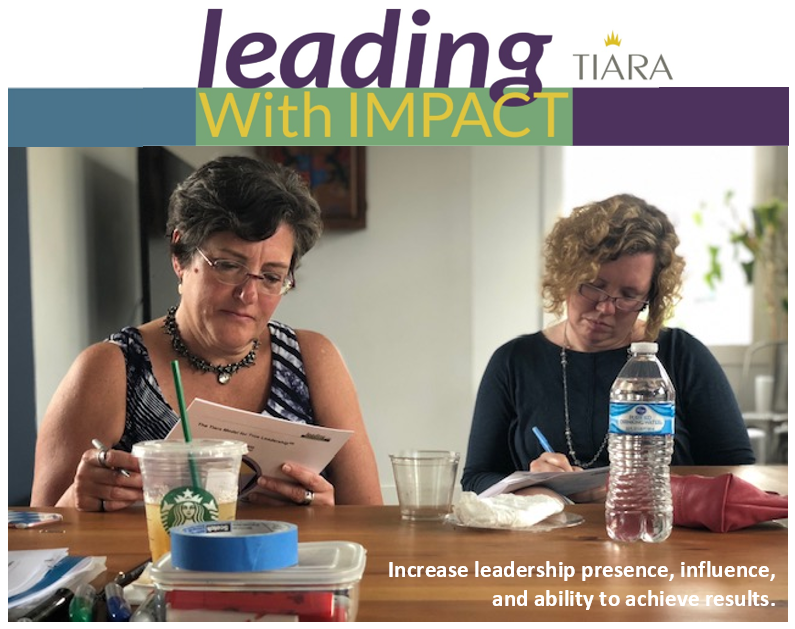
Ever thought about participating in one of those year-long senior leadership group coaching programs?
I have. I’d like to have a sounding board and I’d like to get new skills, when I didn’t even know I needed them! These programs appeal to me because everyone in the group is a successful leader right now. Everyone is at the same level but in all kinds of industries.(so great for learning to have access to people outside my current colleagues).

Employee engagement is simply - “the emotional commitment the employee has to the organization.”
The COVID 19 crisis has brought about a rapid rise in the remote workforce. Employees are working while facing the anxiety of uncertainty as well as the disruption and distractions associated with working from the place they call home. Because there is no clear endpoint to pandemic adaptations, prioritizing employee engagement as a business strategy is now more important than ever!

New staff arrive fresh and excited about embarking on their new adventure. How you prepare for, and then manage the critical early days and hours sets the tone for their experience with your organization.
Some of these are clearly their first days and some are ongoing. Orientation leads seamlessly into ongoing Coaching, Guidance and Support…

What’s the difference between onboarding in your organization’s office or remotely? – lucky for you, you can use all the ideas here now while you have lots of remote work going on, and in the future when some new staff are in the office and some are remote.

Even just one week ago, I don't think we thought we'd be where we are today. This is both from the standpoint of “the health crisis is worse than we imagined” and from the standpoint of “wow, our staff have really stepped up their commitment to making their remote work, work”.
We’ve now been working remotely for a few weeks. Because we had to rush to remote work, we had no time to assess whether people were suited for it or not. So the first post in this Remote Work series suggested we now look at the characteristics we would have assessed in ourselves and our staff. If you looked at the questions in the first post “Is Telecommuting Right For Me? I bet you found one or two areas that were lacking in each of your staff (and maybe yourself).

The past week I have gotten so many great tips on what happens when we’re all remote workers/first time remote working/working with that crisis feeling. I’ve participated in super detailed Zoom sessions, read some extremely timely articles, people’s new policies, lots of emails and listened to some pretty in pain people on the phone. Here’s what we found with a week or more of remote work under our belts (and since this is a rolling issue, unfolding as I type, there will be more issues discovered next week):

20 years ago it was called Telecommuting and it was all the rage. Every big company was creating policies, procedures, assessments and training. HR Executive Magazine, Fast Company, Inc and a host of other magazines were writing articles. Small businesses had been doing forever - but technology was making it easier. In the last ten years we started calling it remote work, and until a couple weeks ago we took it for granted

We were in the same location for 2 weeks. On day 1 we ran the road. It was great but I don’t like to go the same way every day, so on day 2 we tried a couple paths. Sadly each one got us to an impasse of deep water in less than a mile. On day 3 we went back to the road so I could get internet to send this blog post. I wanted to try some of the other paths but how would you be reading this now if I had? And day 4 - back to the road (for the internet), but now I was bored, boreder, boredest.
On day 5, still needing to go to the road for internet, we found 2 very short paths off the road so they at least added some variety. Amazingly, even that small amount of change made it not so boring.

Same road, different times of day. This week Maddie and I did our morning runs and afternoon walks on this same road each day. But, it looked different on the foggy morning, vs the super sunny one, vs at sunset.
This got me thinking about how one staff person can be different on one day than on another - or even at different times of the same day.
Search for Your Topic
Insights On The Dog Run
We were in the same location for 2 weeks. On day 1 we ran the road. It was great but I don’t like to go the same way every day, so on day 2 we tried a couple paths. Sadly each one got us to an impasse of deep water in less than a mile. On day 3 we went back to the road so I could get internet to send this blog post. I wanted to try some of the other paths but how would you be reading this now if I had? And day 4 - back to the road (for the internet), but now I was bored, boreder, boredest.
On day 5, still needing to go to the road for internet, we found 2 very short paths off the road so they at least added some variety. Amazingly, even that small amount of change made it not so boring.
Same road, different times of day. This week Maddie and I did our morning runs and afternoon walks on this same road each day. But, it looked different on the foggy morning, vs the super sunny one, vs at sunset.
This got me thinking about how one staff person can be different on one day than on another - or even at different times of the same day.

Maddie and I come around a bend in the road and there it is - the first gorgeous burgundy tree in Central Missouri this Fall......and that got me thinking.
There are two kinds of employees that stand out. The ones who are at the top of their game and are incredible assets to the organization and the ones who suck the life out of every customer, every co-worker, every staff person and every boss in the place.

It happened to me earlier in the week but I didn’t write about it because the connection to employees didn’t seem strong enough. Now the exact same thing happened again, only from a different direction.

People ask me why I walk the dog on a day like today. Ok, it’s more than ask. They stop in their cars and say “Are you crazy?!?”
Recruit
What’s the difference between onboarding in your organization’s office or remotely? – lucky for you, you can use all the ideas here now while you have lots of remote work going on, and in the future when some new staff are in the office and some are remote.

Put the applicant's future co-workers or team members in charge of hiring the people with whom they can work best and they'll create a realistic picture of skills required for the position. You'll also bypass the 1st days of “newcomer to the team” syndrome.
Train

New staff arrive fresh and excited about embarking on their new adventure. How you prepare for, and then manage the critical early days and hours sets the tone for their experience with your organization.
Some of these are clearly their first days and some are ongoing. Orientation leads seamlessly into ongoing Coaching, Guidance and Support…
Even just one week ago, I don't think we thought we'd be where we are today. This is both from the standpoint of “the health crisis is worse than we imagined” and from the standpoint of “wow, our staff have really stepped up their commitment to making their remote work, work”.
We’ve now been working remotely for a few weeks. Because we had to rush to remote work, we had no time to assess whether people were suited for it or not. So the first post in this Remote Work series suggested we now look at the characteristics we would have assessed in ourselves and our staff. If you looked at the questions in the first post “Is Telecommuting Right For Me? I bet you found one or two areas that were lacking in each of your staff (and maybe yourself).

We all know that the time we and our staff “spend” learning comes back to us three-fold in the form of high morale, safety, retention, productivity, confidence, and reduced errors. BUT where do we get that time up front with everyone’s incredibly busy schedules? Try some of the following great ideas that have been used successfully by other companies.

Employee training is an investment. We all say it, we all mean it, and we all know how much we spend on it – but an investment signifies return, not just cost. What’s your company's return on its training dollar?

There’s a lot more to training than talking! An awful lot of us are educating our staff, our co-workers, our members these days without a clue of how to really help adults learn.
Inspire
Ever thought about participating in one of those year-long senior leadership group coaching programs?
I have. I’d like to have a sounding board and I’d like to get new skills, when I didn’t even know I needed them! These programs appeal to me because everyone in the group is a successful leader right now. Everyone is at the same level but in all kinds of industries.(so great for learning to have access to people outside my current colleagues).
Employee engagement is simply - “the emotional commitment the employee has to the organization.”
The COVID 19 crisis has brought about a rapid rise in the remote workforce. Employees are working while facing the anxiety of uncertainty as well as the disruption and distractions associated with working from the place they call home. Because there is no clear endpoint to pandemic adaptations, prioritizing employee engagement as a business strategy is now more important than ever!
New staff arrive fresh and excited about embarking on their new adventure. How you prepare for, and then manage the critical early days and hours sets the tone for their experience with your organization.
Some of these are clearly their first days and some are ongoing. Orientation leads seamlessly into ongoing Coaching, Guidance and Support…
What’s the difference between onboarding in your organization’s office or remotely? – lucky for you, you can use all the ideas here now while you have lots of remote work going on, and in the future when some new staff are in the office and some are remote.
Even just one week ago, I don't think we thought we'd be where we are today. This is both from the standpoint of “the health crisis is worse than we imagined” and from the standpoint of “wow, our staff have really stepped up their commitment to making their remote work, work”.
We’ve now been working remotely for a few weeks. Because we had to rush to remote work, we had no time to assess whether people were suited for it or not. So the first post in this Remote Work series suggested we now look at the characteristics we would have assessed in ourselves and our staff. If you looked at the questions in the first post “Is Telecommuting Right For Me? I bet you found one or two areas that were lacking in each of your staff (and maybe yourself).
The past week I have gotten so many great tips on what happens when we’re all remote workers/first time remote working/working with that crisis feeling. I’ve participated in super detailed Zoom sessions, read some extremely timely articles, people’s new policies, lots of emails and listened to some pretty in pain people on the phone. Here’s what we found with a week or more of remote work under our belts (and since this is a rolling issue, unfolding as I type, there will be more issues discovered next week):
20 years ago it was called Telecommuting and it was all the rage. Every big company was creating policies, procedures, assessments and training. HR Executive Magazine, Fast Company, Inc and a host of other magazines were writing articles. Small businesses had been doing forever - but technology was making it easier. In the last ten years we started calling it remote work, and until a couple weeks ago we took it for granted

Resources seem tight everywhere, especially time and money. Yet we still need to engage our employees so they feel inspired, motivated, and committed. People are the most important resource in any organization, and yours need attention.

If all you do is wave money in front of employees every month, that gets boring! Money as a motivator sounds good, but we all know from past raises and bonuses that money by itself isn't enough

Are your employees growing – or growing bored? Are your experienced employees no longer the asset they once were? Do you have some people who seem to be stuck on dead center?
Retain
Ever thought about participating in one of those year-long senior leadership group coaching programs?
I have. I’d like to have a sounding board and I’d like to get new skills, when I didn’t even know I needed them! These programs appeal to me because everyone in the group is a successful leader right now. Everyone is at the same level but in all kinds of industries.(so great for learning to have access to people outside my current colleagues).
Employee engagement is simply - “the emotional commitment the employee has to the organization.”
The COVID 19 crisis has brought about a rapid rise in the remote workforce. Employees are working while facing the anxiety of uncertainty as well as the disruption and distractions associated with working from the place they call home. Because there is no clear endpoint to pandemic adaptations, prioritizing employee engagement as a business strategy is now more important than ever!
New staff arrive fresh and excited about embarking on their new adventure. How you prepare for, and then manage the critical early days and hours sets the tone for their experience with your organization.
Some of these are clearly their first days and some are ongoing. Orientation leads seamlessly into ongoing Coaching, Guidance and Support…
What’s the difference between onboarding in your organization’s office or remotely? – lucky for you, you can use all the ideas here now while you have lots of remote work going on, and in the future when some new staff are in the office and some are remote.
Even just one week ago, I don't think we thought we'd be where we are today. This is both from the standpoint of “the health crisis is worse than we imagined” and from the standpoint of “wow, our staff have really stepped up their commitment to making their remote work, work”.
We’ve now been working remotely for a few weeks. Because we had to rush to remote work, we had no time to assess whether people were suited for it or not. So the first post in this Remote Work series suggested we now look at the characteristics we would have assessed in ourselves and our staff. If you looked at the questions in the first post “Is Telecommuting Right For Me? I bet you found one or two areas that were lacking in each of your staff (and maybe yourself).
The past week I have gotten so many great tips on what happens when we’re all remote workers/first time remote working/working with that crisis feeling. I’ve participated in super detailed Zoom sessions, read some extremely timely articles, people’s new policies, lots of emails and listened to some pretty in pain people on the phone. Here’s what we found with a week or more of remote work under our belts (and since this is a rolling issue, unfolding as I type, there will be more issues discovered next week):
20 years ago it was called Telecommuting and it was all the rage. Every big company was creating policies, procedures, assessments and training. HR Executive Magazine, Fast Company, Inc and a host of other magazines were writing articles. Small businesses had been doing forever - but technology was making it easier. In the last ten years we started calling it remote work, and until a couple weeks ago we took it for granted
Resources seem tight everywhere, especially time and money. Yet we still need to engage our employees so they feel inspired, motivated, and committed. People are the most important resource in any organization, and yours need attention.
If all you do is wave money in front of employees every month, that gets boring! Money as a motivator sounds good, but we all know from past raises and bonuses that money by itself isn't enough
Are your employees growing – or growing bored? Are your experienced employees no longer the asset they once were? Do you have some people who seem to be stuck on dead center?